Last updated: November 16, 2026
Quick answer: if the tear is under 2 inches and the frame is sound, a patch or seam repair is usually the fastest fix for How to Repair a Torn Mesh or Fabric Seat on a Heavy-Duty Camping Chair. Start by checking the size of the tear and the material: polyester fabric and mesh can often be patched, while a split seam or a long rip near a stress point usually needs stitching and reinforcement.
Key takeaways
- Small tears in seat fabric are the easiest to save, especially when the damage is not at the edge or a load point.
- Mesh needs a patch that spreads force, not just a dab of glue.
- A needle and thread fix works best for seams and short splits; a patch works best for holes and worn areas.
- If the damage reaches the corners, suspension straps, or frame sleeves, a replacement seat panel may be the smarter fix.
- Stop repairing if the fabric keeps opening after a close inspection; the frame may still be fine, but the seat can no longer carry weight safely.
What kind of tear is it?
The right repair depends on where the damage sits and how far it has spread. A 2-inch tear in the middle of a polyester fabric seat is a different job from a long split along a stitched edge on a heavy-duty folding chair. Mesh behaves differently too, because the open weave can run if the repair does not cover enough area.
Look first at the shape of the damage. A clean slit, a corner rip, a seam separation, and a worn-through thin spot all need a different fix. If the tear is smaller than a palm and the surrounding cloth still feels firm, a patch or stitch repair is usually worth doing. If the hole is frayed, large, or close to a strap anchor, the repair has to spread load over a wider area.
A quick check can sort the options before you start.
| Damage type | Best fix | Good for | Weak point |
|---|---|---|---|
| Small hole in mesh or polyester fabric | Repair patch | Isolated puncture or wear spot | Can peel if the cloth is dirty or stretched |
| Split seam | Needle and thread | Edge failure, loose stitching | Needs strong thread and tight stitching |
| Worn stress point | Patch plus reinforcement stitch | Corners, seat edges, load zones | Takes more time and care |
| Long tear or rotten panel | Replacement seat panel | Fabric that keeps ripping | Harder to source and fit |
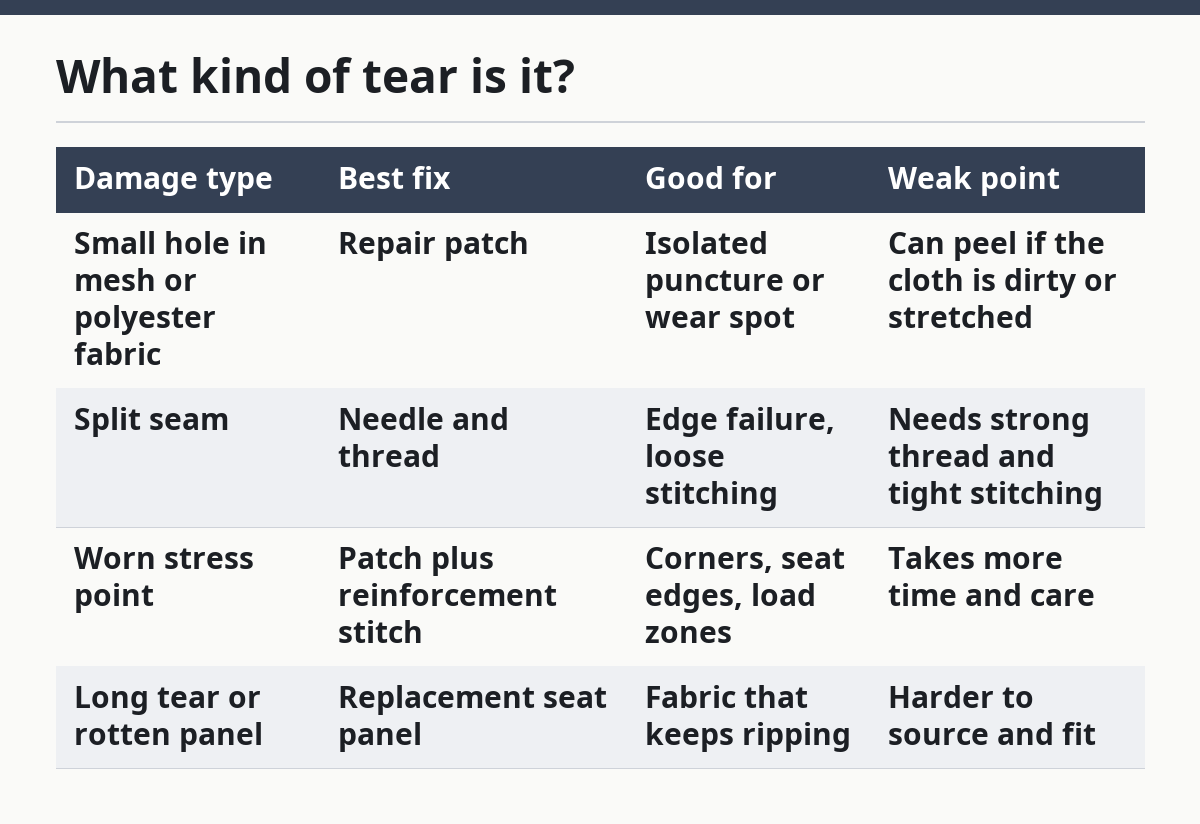
This first check saves time. A patch can mask a hole, but it will not fix a failed seam line that is still pulling apart.
What tools do I need?
You need a repair patch, needle and thread, and a way to clean the fabric edge before you start. For most seat fabric repairs, a curved upholstery needle, heavy polyester thread, scissors, and a patch cut from similar material are enough. If the seat is mesh, use a patch that is larger than the tear by at least 1 inch on each side so the stress spreads out.
Choose thread that can hold up under repeated folding and body weight. Heavy-duty polyester thread is a better fit than light cotton thread, which can weaken faster when the seat flexes. If the fabric is polyester fabric, a matching synthetic patch is usually the easiest path because it moves with the original seat instead of fighting it.
You also need a flat work surface and good light. A repair on a folded seat frame is awkward, and awkward stitching can leave loose tension and crooked seams. If the chair uses a removable seat panel, taking it off the frame makes the job much easier and cuts the chance of stitching through hidden straps or webbing.
Keep the repair area dry and clean. For adhesive-backed patches, follow the package instructions for surface prep and cure time, and if the chair supports body weight, consider getting help from a repair shop or other professional if the damage is near a load point. A quick wipe with a damp cloth and a full dry time of about 30 minutes is usually enough before you place the patch.
For broader outdoor-fabric care, see the camping chair care guide and outdoor gear repair basics.
How do I repair a torn camping chair seat step by step?
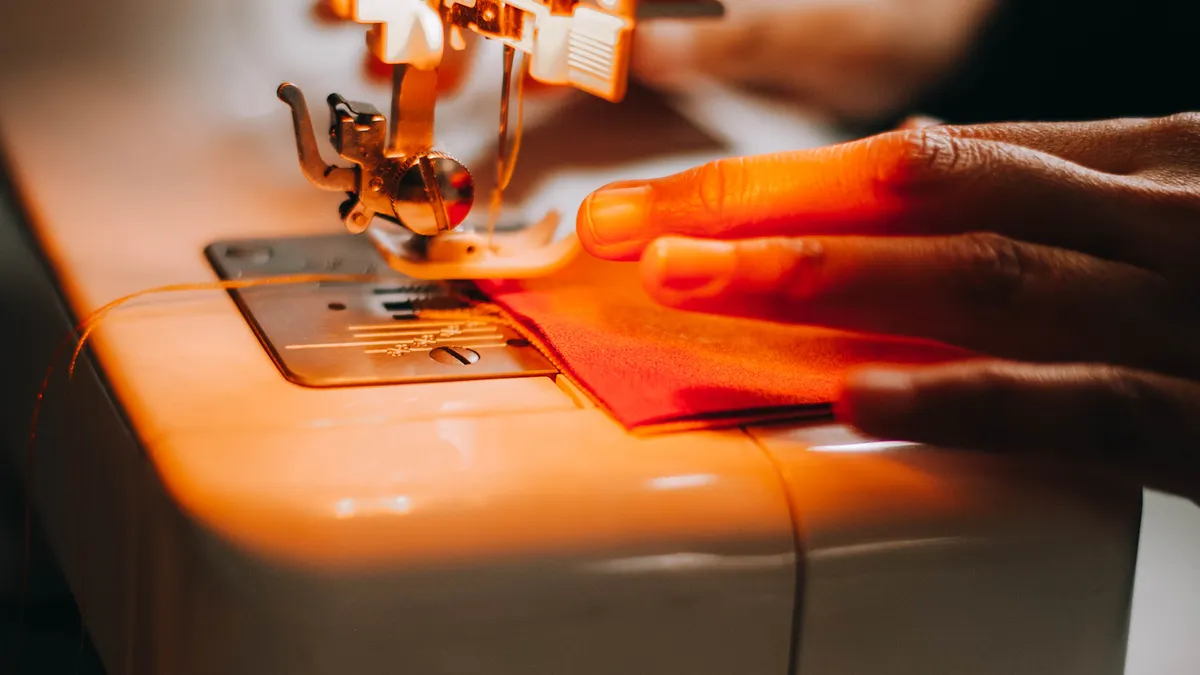
You repair a torn camping chair seat by cleaning the area, stopping the tear from spreading, adding the right patch or stitch, and then reinforcing the stress point so it does not reopen. How to Repair a Torn Mesh or Fabric Seat on a Heavy-Duty Camping Chair starts with the smallest fix that still covers the load, not the most complex one.
-
Lay the seat flat and inspect both sides.
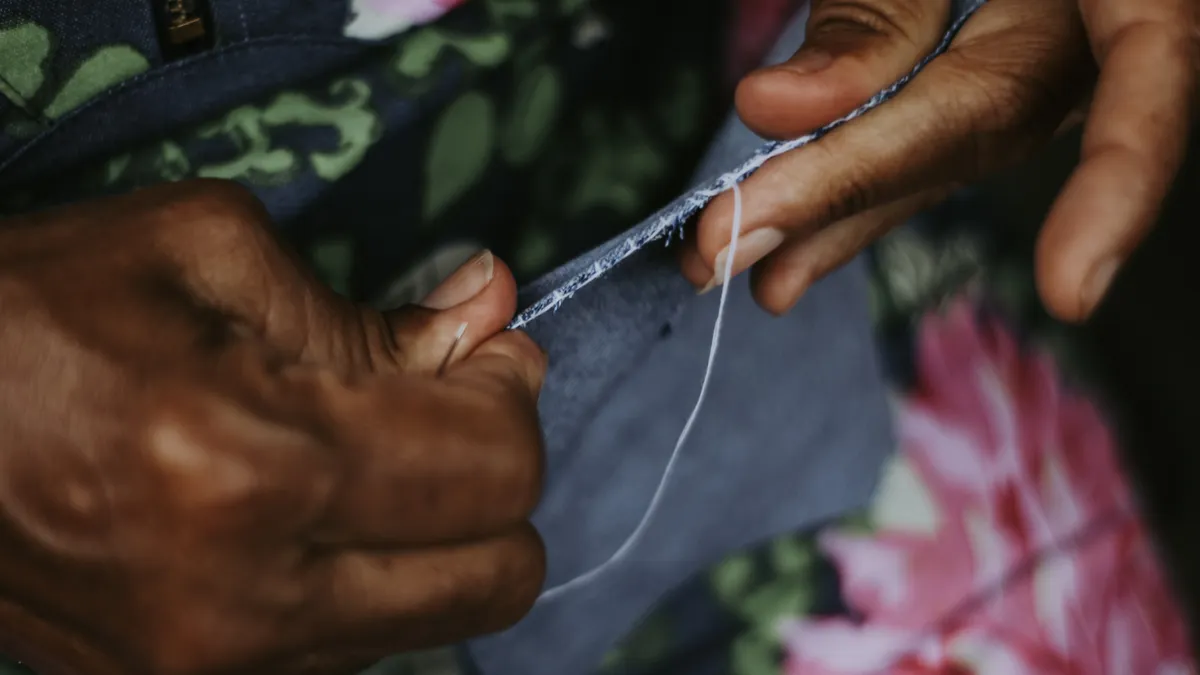
Open the chair fully and look at the fabric from the front and back. Find the edges of the tear, nearby seams, and any thin spots around the rip, because a hidden split often runs farther than it looks from one side. -
Trim loose threads and frayed fuzz.
Use sharp scissors to cut only the loose strands, not the solid fabric. A cleaner edge makes the patch sit flat and lets the needle pass without catching stray threads. -
Mark the repair zone with an extra margin.
Plan for a repair area at least 1 inch beyond the damage on every side. That extra margin matters on mesh and on high-stretch fabric because the pull from your body goes past the visible tear. -
Choose patch or stitch based on the damage.
Use a patch for holes, worn spots, and mesh tears. Use a needle and thread for seam splits and short edge failures. If the hole is both ripped and frayed, do both: stitch the tear closed first, then cover it with a patch. -
Sew the tear closed if the fabric edge is still sound.
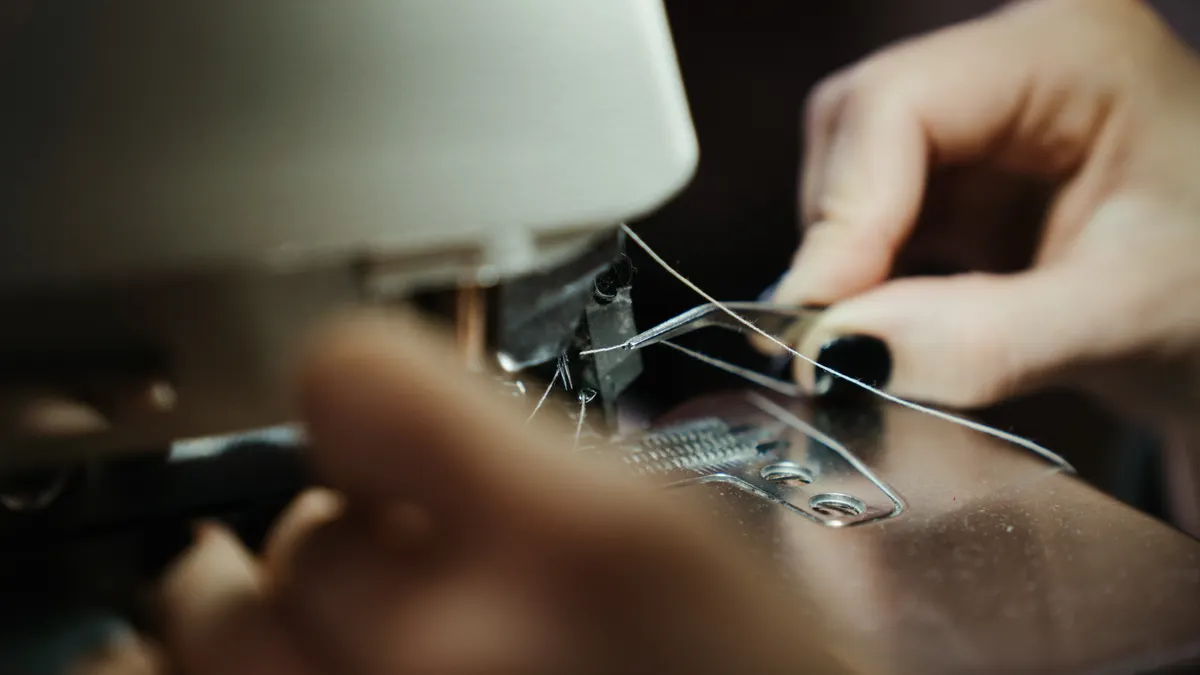
Use small, tight stitches and keep even tension. A simple backstitch or overhand repair can close a short split, but the thread should not pucker the seat so hard that the fabric bunches up. -
Apply the repair patch with overlap.
Center the patch over the damage and press it down smoothly. For mesh, the patch should cover enough open area to share the load. For solid polyester fabric, a patch with rounded corners tends to lift less than a square one. -
Reinforce the edges of the repair.
Stitch around the patch perimeter if the material allows it, especially near a seat edge or a stress point. This step matters on a heavy-duty folding chair because the seat flexes every time weight shifts. -
Let the repair sit before loading it.
Give adhesives or fabric glue the full cure time listed on the product you used, and if the seat is a load-bearing part, check the label or ask a professional before using the chair hard. According to the product label and repair guidance from REI, cure time and surface prep matter more than speed. -
Test with gradual weight, not a hard drop.
Sit down slowly and check for pulling, popping, or new opening at the edges. If the tear starts to spread, stop and move to a wider patch or a replacement seat panel. If you are unsure whether the repair is strong enough, have a repair professional inspect it.
That sequence starts small and moves up only when the fabric demands it. It also keeps you from making a weak spot bigger by forcing a tiny fix to do a large job.
When should I sew, patch, or replace the panel?
You should sew when the edge has split, patch when the hole is open in the middle of the fabric, and replace the panel when the damage keeps returning. The choice comes down to how the cloth fails, not just how big the tear looks.
A seam split is a thread problem, so needle and thread is the right first move. A hole in the middle of a mesh seat is a fabric-loss problem, so a repair patch makes more sense. A worn corner or a rip that reaches the suspension points is a load problem, and that is where a replacement seat panel is often the safer choice.
There is a trade-off. Sewing is cheaper and keeps the original fit, but it can leave a stiff line if the stitching is dense. A patch spreads the pull better, but a thick patch can feel rough against clothing and may look obvious. Replacement gives the cleanest result, yet it only works if you can match the frame pattern and seat size.
This is also where a reader should be honest about what the chair is for. If the seat holds occasional use around camp, a solid repair may be fine. If the same rip appears again after a short period of use, the fabric is telling you the material around it has aged out.
For fit and replacement planning, see the camping chair buying guide.
What goes wrong with mesh and fabric repairs?
The most common mistake is using too little patch area, which lets the tear reopen at the edge. On mesh, a small patch may hold for a day and then fail when the weave shifts under load. On solid fabric, a patch that is too small acts like a hard stop and creates a new tear line right beside it.
Another mistake is stitching through weak cloth without stopping the tear first. If the edge keeps fraying, the needle just makes more holes for the rip to follow. A short stabilizing stitch before patching usually works better than trying to cover raw damage in one pass.
A third mistake is ignoring the seat edge and stress points. A repair in the center of the seat can look neat and still fail if the corner straps or seam line are already stretched. Check those zones carefully before calling the fix done.
Poor thread choice causes trouble too. Light thread can cut through under tension, especially on a heavy-duty folding chair where the load shifts every time someone leans back. Synthetic thread is the safer choice because it stands up better to repeated flexing than soft, weak thread.
A final problem is rushing the cure or testing the repair with a hard drop. A patch that has not set can slide, and a stitched seam that has not settled can open again. Let the repair stabilize, then test it gently, or ask a repair professional if the chair will carry frequent heavy use.
When is the seat too damaged to fix?
The seat is too damaged to fix when the fabric keeps tearing after a proper patch, when the damage reaches the corners or suspension points, or when the panel has several weak spots close together. At that point, the problem is not a single hole; it is the whole seat fabric failing.
A replacement seat panel makes more sense if the chair is a name-brand model with available parts and the frame is still straight. That path keeps the fit closer to original and avoids stacking several weak repairs on top of one another. If the seat is a one-piece panel and the pattern is not available, a repair may still buy time, but only if the tear is isolated.
This is the right moment to step back and compare the chair to the effort. A 20-minute stitch repair is worth doing when the damage is small. A panel swap is better when the tear has moved into the high-load areas. A chair with bent frame parts, broken rivets, or ripped support straps belongs in a different repair category entirely.
For broader chair-buying and care context, the main hub on heavy-duty outdoor and camping chairs can sit here as the broader guide.
FAQ
Can you patch a torn camping chair seat?
Yes, a torn camping chair seat can often be patched if the tear is in the fabric body and the surrounding material still feels strong. A patch works best on mesh and polyester fabric when it is large enough to cover the damaged area with extra overlap. If the tear reaches a seam or a load point, stitching or replacement may be needed too.
Is it better to sew or replace a torn chair seat?
It is better to sew when the seam has opened but the fabric around it is still solid, and better to replace when the panel keeps failing or the tear has spread into the support areas. Sewing is faster and cheaper, but replacement gives a cleaner fix when the material has aged out. The safer choice is the one that stops the same tear from coming back.
What fabric works for a chair seat repair?
Because the earlier repair steps rely on a patch that moves with the seat, a matching synthetic fabric, especially polyester fabric, is usually the best general choice for a chair seat repair. It holds up better with outdoor use and flexes more like the original material. For mesh, use a patch that matches the stretch and weave as closely as possible so the repair does not create a stiff spot or a new tear line.
Drafted with AI; not yet reviewed by a person.