Last updated: November 15, 2026
Quick answer: a practical starting point is about 18 inches (457 mm) for a dining chair seat, then confirm the table underside clearance before you buy or keep it. For the topic How to Measure Dining Chair Seat Height for Tall or Heavy Users, the seat height has to match the table, the knee angle, and the floor clearance, or the result is a hard sit and an even harder stand.
Measure from the floor to the top of the seat, not the back or arm.
The steps below show how to get the right number and check it against your dining table.
What seat height actually means for a dining setup
Seat height means the vertical distance from the floor to the top of the sitting surface.
Picture this: you’re standing beside a table with a tape measure in one hand and a seat that looks close enough, but “close enough” is how people end up with knees jammed under the edge.
That number matters more for tall or heavy users because the wrong height changes how far the knees bend, how much weight the legs carry, and how easy it is to rise without pushing off the table. A seat that is too low can feel like a squat; one that is too high can leave the thighs unsupported and the feet floating.
A dining chair seat height is only useful in relation to the table. An 18-inch seat can work under one table and fail under another, because apron depth, tabletop thickness, and leg shape change the usable space. The target is not a “nice-looking” gap. It is a gap that lets the body sit squarely and stand without scraping.
Key Takeaways
-
Measure from the floor to the top of the seat surface.
-
Match that number to the table, not to a guess or a showroom feel.
-
Tall users usually need extra legroom; heavy users need a seat that stays supportive and easy to rise from.
-
The goal is clear floor clearance, room for knees, and a clean stand-up motion.
If you want the broader buying context, the hub on heavy-duty kitchen and dining seating belongs beside this guide.
How do you measure dining chair seat height correctly?
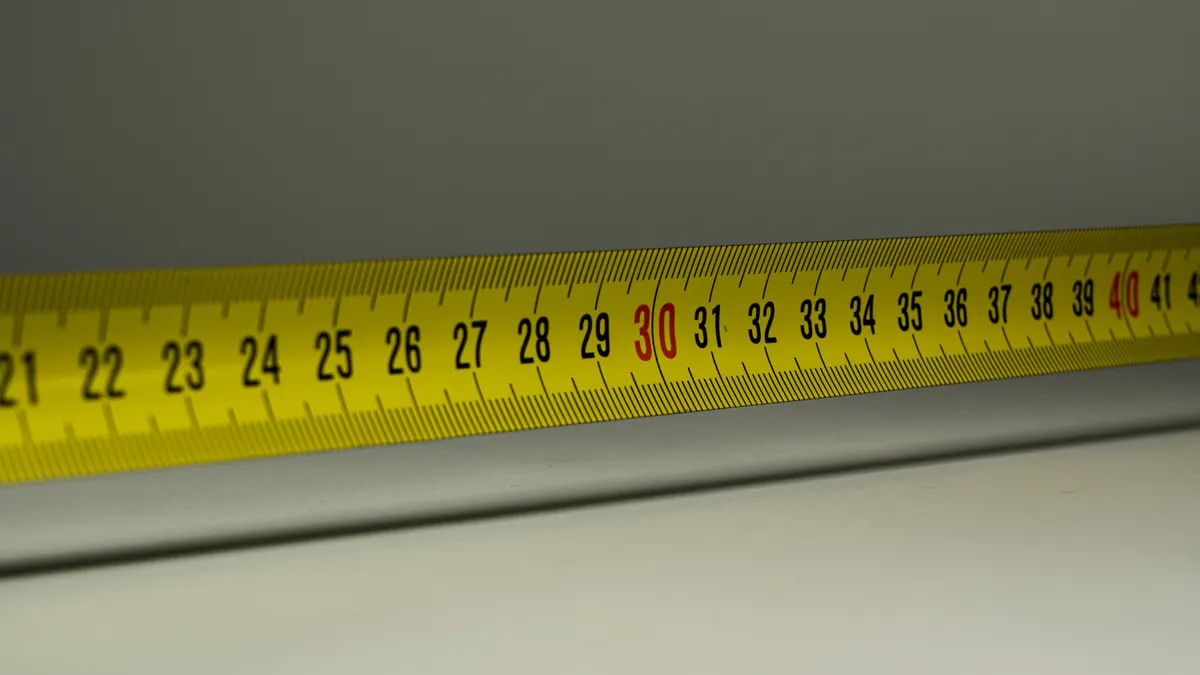
Use a tape measure from the floor straight up to the highest point of the seat where someone actually sits.
Picture this: you’re on a kitchen floor with a tape measure, trying to find the one number that tells you if the seat will work before anyone drags it to the table.
Start with a flat floor and place the seat in its normal position, not tilted against a wall. If the cushion compresses, measure from the floor to the top of the compressed sitting surface, since that is where the body will land. If there is no cushion, measure to the firm top of the seat board or molded shell.
-
Set the seat on level floor.
-
Put the tape measure at the floor beside one front leg.
-
Pull it straight up to the highest sitting point.
-
Record the number in inches or millimeters.
-
Repeat on the other side if the floor is uneven.
-
Use the lower reading if the floor slopes, because that is the safer real-world number.
That sounds simple, and it is, but the details matter. A soft cushion can hide an extra inch or two of compression, which is enough to change the feel for a taller person with long femurs. If the measurement is taken to the back edge instead of the front sitting area, the result will be wrong by design.
For table matching, keep the same tape measure handy and measure the table top from floor to the underside of the apron, not just to the top surface. The underside clearance is what decides whether knees fit. The top number alone can fool you. Here’s the catch: many dining tables have a lower apron or rail that steals space fast.
Rule of thumb: measure the seat, then measure the table underside, then compare the two with the body in mind — not with showroom spacing.
What table height and legroom should you check next?
The next check is the seat-to-table gap, especially the space under the apron and the room for foot placement.
Picture this: you’re standing in front of a table that looks fine until you imagine your knees, calves, and shoes all trying to share the same 2 inches of space.
A common mistake is to compare only the chair seat height to the tabletop height. That misses the real obstacle. The knee area cares about the underside of the table, the chair’s front edge, and how far back the sitter has to move to clear the top. On many setups, a seat that is a few inches lower than the table works better than one that looks “matched” on paper.
Use this simple comparison list while you measure:
-
Seat top to floor: the chair number.
-
Table underside to floor: the clearance number.
-
Gap between seat top and table underside: the working space.
-
Depth from front seat edge to table leg: the escape path for knees and shoes.
-
Foot placement on the floor: both feet should rest without twisting.
If the sitter is tall, the problem often shows up as knees hitting the apron or toes turning out to find room. If the sitter is heavy, the issue is often less about the knee angle and more about getting enough support to sit down and stand up without a tight squeeze.
A seat that is too low can trap the hips; a seat that is too high can make the heels skim the floor. Both are poor fits for regular dining.
A practical check is to sit with both feet planted and slide back until the back contacts the support. The knees should not be forced sharply up, and the thighs should not feel pitched forward. If the toes barely touch or the knees hit wood, the table-and-seat pairing is wrong.
For accessible dining layouts, the U.S. Access Board’s ADA standards are a useful reference point for table clearance and knee space. That standard is for accessibility, not style, but the clearance logic is the same.
What seat height works better for tall users?
Tall users usually need more legroom, a steadier foot plant, and a seat height that lets the knees bend without crowding.
Picture this: you’re tall, and every seat that looks “normal” makes your knees climb too high or your thighs feel trapped after ten minutes.
A taller sitter usually does best with a seat height that lets the feet rest flat and leaves usable space between the thighs and the underside of the table. A taller person often notices discomfort sooner because the femur is longer, which reduces the margin under the apron. The chair may look generous, but if the front edge presses into the legs, it is still wrong.
Here is the real test for tall users:
-
Sit all the way back.
-
Put both feet flat, not on tiptoe.
-
Check whether the knees clear the apron by a comfortable margin.
-
Notice whether the seat front cuts into the back of the thighs.
-
Stand up without having to shove the table first.
If the seat is too low, tall users often fold too sharply at the hips and knees. That can make rising awkward, especially from a deep seat that steals leverage. If the seat is too high, the thighs lose support and the body shifts forward, which can make long meals tiring. The fix is not always a different style; sometimes it is a different seat height paired with a table that has more underside clearance.
A taller person should also pay attention to seat depth, even though this guide is about height. A seat that is deep and low can feel like a lounge piece rather than dining seating. That is not a compliment at a dinner table.
What changes for heavy users?
Heavy users need a seat height that works with the table, but they also need stable support and an easy stand-up path.
Picture this: you’re sitting down carefully because the seat looks narrow, the padding feels soft, and the real question is whether the setup will support a full meal without sinking or wobble.
Seat height alone does not carry the load. The frame, the leg spread, and the way the cushion compresses all change the effective height after someone sits down. A very soft seat can drop enough to make the table feel too high after weight is applied. That is why a measured height on an empty chair is only the starting point.
A heavy user should watch for three things:
-
Compression: does the cushion sink enough to change the working height?
-
Stability: does the base stay planted when weight shifts?
-
Clearance: can the knees and thighs fit without forcing the body sideways?
The stand-up motion matters here more than people think. If the seat is low and soft, the sitter may have to push on the table or arms to rise. That is a poor setup for repeat use, especially at a dining table where meals, conversation, and serving dishes all happen in one place.
A seat that sits a little higher and stays firm can be easier to exit than a plush one that looks comfortable in a showroom.
Heavy users should also avoid measuring only the center of the cushion and ignoring the edge. Some seats slope or compress unevenly, so the front edge can feel lower than the middle. That changes the angle of the knees and can make standing less smooth. The fix is simple: measure the sitting area as it will behave under load, not as it looks on a shelf.
Common measuring mistakes that cause the wrong fit
Most bad fits come from measuring the wrong surface, the wrong point, or the wrong table part.
Picture this: you’re convinced the numbers are right, then the seat arrives and the knees still hit the table or the feet still dangle.
The first mistake is measuring to the top of the cushion when the cushion compresses far under body weight. That makes the seat look taller than it will feel. The second is measuring to the top of the tabletop and ignoring the apron underneath. That hides the exact place where knees get blocked. The third is forgetting floor clearance on uneven flooring or thick rugs.
A few mistakes show up again and again:
-
Measuring only one side of the seat on a sloped floor.
-
Using the backrest height instead of seat height.
-
Ignoring table legs that sit inward and steal knee room.
-
Checking the fit while standing, not while seated.
-
Treating “comfortable enough for a minute” as the same as “good for a full meal.” If pain, numbness, or posture trouble is part of the result, consult a professional and review a seating or ergonomics source before you keep using the chair.
The cost of these mistakes is not just annoyance. A seat that is too low can make standing harder, especially after a long meal. A seat that is too high can leave the sitter perched, with the feet barely planted and the thighs unsupported. A tight table gap can force the body to twist or scoot back from the table, which ruins posture and makes reaching plates awkward.
The fix is to measure in use, not in theory. Put the chair where it will actually sit, compare the seat height to the real underside clearance, and check the body position while seated. If the table is the wrong height for the seat, swapping one piece may solve more than trying to “live with it.”
Quick fit check before you buy or keep the seat
The final check is a seated test with both feet flat and enough room to stand without hitting the table.
Picture this: you’re down to the last step, and the difference between a good buy and a return is a tape measure plus one 30-second sit test.
Use this short checklist before committing:
-
Measure seat height from floor to the top of the sitting surface.
-
Measure table height and, more important, the underside clearance.
-
Sit with feet flat and knees relaxed.
-
Confirm the thighs are supported without pressure at the front edge.
-
Stand up once without dragging the table.
If the person is tall, the main failure is usually knee crowding or a seat that feels too low. If the person is heavy, the main failure is often compression that changes the height after sitting down. In both cases, the measured number matters less than the measured number under real use.
A good fit leaves room for plate movement, leg movement, and an easy stand-up. A bad fit announces itself fast.
The knees touch.
The feet slide.
The stand feels like a chore.
What is the best seat height for a dining chair?
There is no single best seat height for a dining chair, because the right height depends on the table, the apron, and the sitter’s leg length. For tall or heavy users, the best result is the height that leaves room for the knees under the table and lets the feet rest flat on the floor. The right number depends on the apron, the cushion, and the sitter’s leg length.
How much space should be between a chair and table?
There should be enough space for the knees, thighs, and feet to move without hitting the table edge or apron. The useful gap is the one that lets you sit all the way back, keep both feet planted, and stand without scraping the underside. If the clearance feels tight during a normal meal, it is too tight.
How do you measure chair height correctly?
Measure from the floor to the top of the seat where the body actually sits, not to the backrest or the highest point of the frame. If the seat has a cushion, measure it as it compresses in use. Then compare that number to the table’s underside clearance, because that is the part that decides whether the fit works.
For a source on clearance and seating dimensions, see the ADA 2010 Standards. For general ergonomic context on seated work and body positioning, the NIOSH ergonomics guidance is also useful.
Drafted with AI; not yet reviewed by a person.
One thought on “How to Measure Dining Chair Seat Height for Tall or Heavy Users”