Last updated: November 12, 2026
Key Takeaways
- A flat seat can ease thigh pressure, but it will not solve every comfort problem.
- If pain starts at the side bolsters or front lip, a flatter seat with a waterfall edge is often the better choice.
- The right chair has a flat seat pan width, a waterfall seat edge, and no side wings that press into your outer thighs.
- Flat-pan bariatric office seating is worth chasing when you want room more than contour.
A wide-seat desk chair without side bolsters is the right fix when your thighs get pinched by bucket wings or your legs go numb on a contoured seat. Wide-Seat Ergonomic Desk Chairs Without Side Bolsters usually solve that by keeping the seat wide, level, and open at the edges. The comparison below shows which style fits broad thighs, flatter sit bones, and longer work sessions. Quick answer: start with a flat seat pan at least 20 inches wide, and choose a waterfall front if you sit for 6 hours or more.
Our Top 3 Picks at a Glance
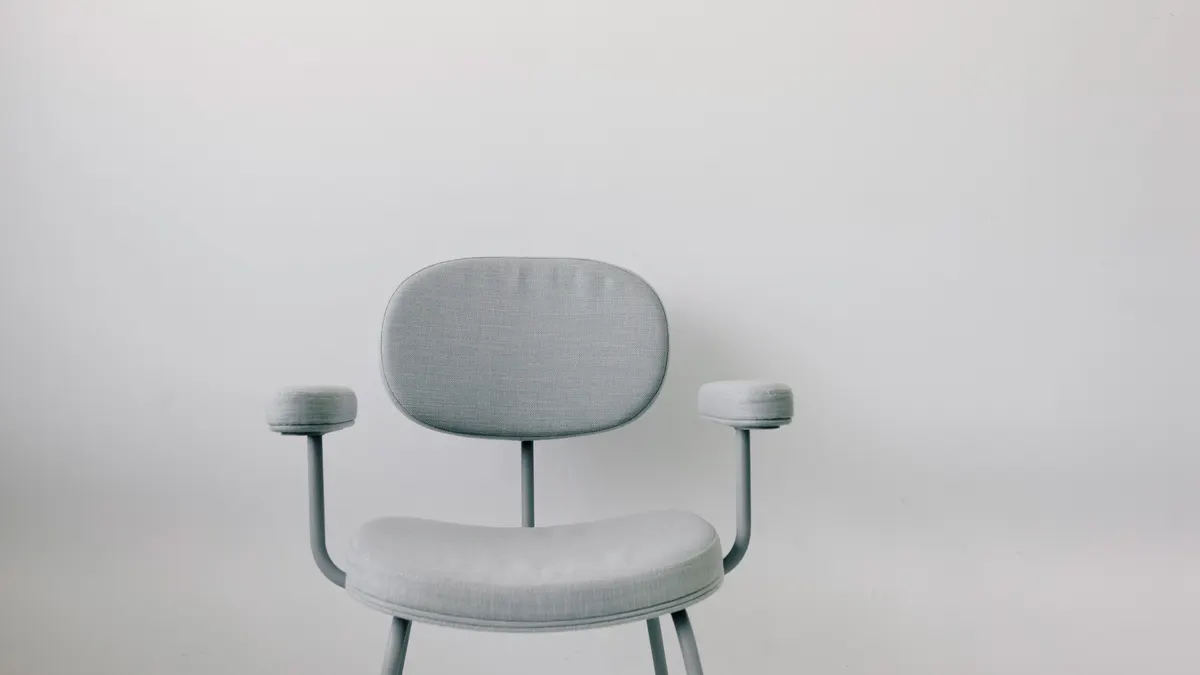
- #1 Best Overall: Flat-pan bariatric office seating with a wide, flat seat pan and a waterfall front edge
- #2 Best Budget Pick: Wide cushion computer chair with flat edges and no wing bolsters
- #3 Best Heavy-Duty / Upgrade Pick: Molded polyurethane cushion chair with a broad seat pan and firmer support
| Product / Option | Best For | Core Spec | Standout Feature | Action |
|---|---|---|---|---|
| Flat-pan bariatric office seating | Broad thighs, hip pinch, long desk sessions | Wide seat pan with flat edges | No side bolsters to press into the outer thighs | Choose if you need the most open seating shape |
| Wide cushion computer chair with flat edges | A simpler office chair that still avoids wing pressure | Cushion seat with a flat perimeter | Easier fit for people who hate contoured bucket seats | Choose if your main problem is side squeeze |
| Molded polyurethane cushion chair | Firmer support and shape retention | Molded polyurethane cushion | Holds its form better than soft foam-only seats | Choose if you want a more structured seat and can handle a firmer feel |
What a wide-seat chair without bolsters actually fixes
A flat seat without side bolsters fixes thigh pressure, not every comfort problem. If the outer edges of a contoured bucket seat dig into your legs, the right chair gives you a flat seat pan width that lets your thighs spread naturally instead of being guided inward.
Picture this: you sit down for a 6-hour work block and the seat edges stop touching the sides of your legs. That change matters more than plush padding for many broad-legged users. A waterfall seat edge helps too, because the front rolls down instead of cutting into the back of the knees.
The shape matters more than the sales copy.
- Contoured bucket seats can look ergonomic and still cause nerve compression at the thighs.
- Raised side wings can pinch the outer leg during long sitting.
- A flat-pan bariatric office seating design keeps the usable area open from side to side.
- A wider seat helps only if the edges stay flat enough to avoid a hard rim.
The better fit is usually the chair that looks less sculpted. That sounds dull, but it solves a real problem.
Which seat shape stops thigh pain?
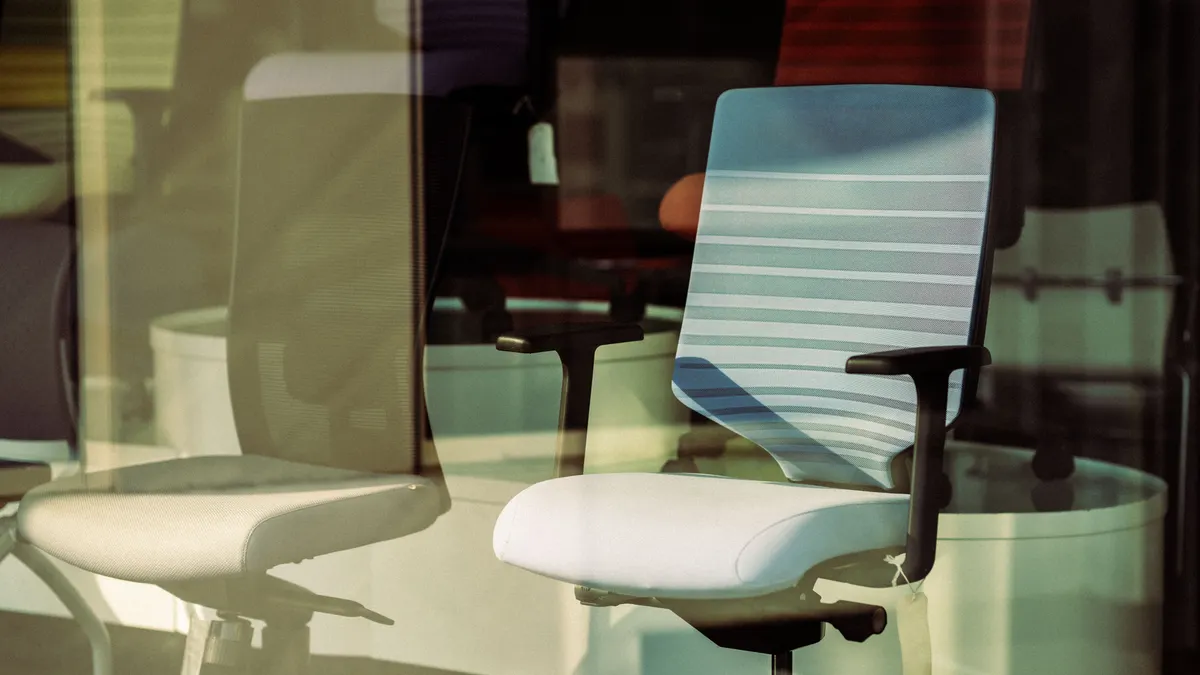
A flatter seat with a waterfall front is usually the better choice if your thigh pain starts at the side bolsters or the front lip. The goal is not a deep cradle; it is a seat that spreads your weight without trapping the outer leg.
Picture this: you slide back into the chair, and your thighs rest on the full width of the pan instead of riding up against molded walls. That is the difference between a wide cushion computer chair and a bucket-style office seat. The cushion can be thick, but if the side edges curve upward, the problem stays.
The core shapes break down like this:
- Flat pan: Best when your legs need room and you dislike a molded edge.
- Mild contour: Useful if you want a little guidance without full side bolsters.
- Bucket seat: Often a poor match for broader hips or thighs.
- Molded polyurethane cushion: Good when you want shape retention and firmer support, but it still needs a flat perimeter.
On the flip side, a seat that is too soft can feel roomy for a week and then sag into a dish. That can pull your thighs into a bad angle. A firmer cushion with a flat edge usually holds up better than a soft pad with a flashy shape.
How to choose the right wide-seat ergonomic desk chair
The right chair has a flat seat pan width, a waterfall seat edge, and no side wings that press into your outer thighs. Those three features matter more than armrest style or the word “ergonomic” on the box.
Picture this: you are comparing two chairs online. One has sculpted bolsters and a narrow-looking shell; the other is plain, broad, and flat. The plain one often wins for big-and-tall users because it gives the leg more room where it actually sits.
Use this selection order:
- Measure the usable seat width. Look at the flat area, not the outside shell. The usable surface is what matters when your legs ride wide.
- Check the front edge. A waterfall seat edge reduces pressure behind the knees and makes longer sitting easier.
- Look for a flat perimeter. If the side bolsters rise up, they can still cause numbness even on a wide chair.
- Decide on cushion feel. A molded polyurethane cushion holds shape better than soft foam if you sit for many hours a day.
- Match the base and height range to your desk. A seat that is wide but too high can still force your hips into a bad angle.
Here’s the catch: a wide seat that is too deep can create a new problem by pushing the front edge into the calves. That is why the front waterfall and the seat depth both matter. If you can only check one thing, check the seat shape before the upholstery color.
The best features to look for in flat-pan bariatric office seating
Flat-pan bariatric office seating is worth chasing when you want room more than contour. The best version gives you an open seat, a stable cushion, and no raised side bolster to trap the outer thigh.
Picture this: you settle in and feel the same support across the whole seat, not a ridge on each side. That is the feeling you want from a wide cushion computer chair flat edges design. It should support, not steer.
Look for these details:
- No side wing bolsters: The seat edge should stay low and straight.
- Wide seat pan width: This matters more than armrest width.
- Waterfall front edge: A softer front helps reduce knee pressure.
- Molded polyurethane cushion: Good for shape retention and firmer support.
- Open side profile: Easier on broad legs than a sculpted shell.
A chair with a deep contour can still be comfortable for some users, but this page is for the person who already knows the contour is the problem. That is a different buyer. If the wings are what hurt, don’t pay for more wings.
Common mistakes that make wide chairs feel worse
A bigger chair can still fail if the seat shape is wrong. A broader seat pan with steep side walls can press harder into the leg than a smaller flat seat.
Picture this: you buy the widest option you can find, then discover the outer rim is what causes the numbness. The width looked right on paper, but the contour ruined it. That is the most common mistake with contoured bucket seats.
Watch for these traps:
- Chasing width without checking shape. A 24-inch shell with bolsters can feel tighter than a flatter 20-inch pan.
- Ignoring seat depth. Too much depth pushes the knees forward and can strain circulation.
- Choosing soft foam for looks. It may feel plush on day one and collapse into a dish later.
- Assuming “ergonomic” means open. Many ergonomic chairs are shaped for posture, not for wide thighs.
- Skipping the front edge. A hard front lip can cause the same pain as side bolsters, just in a new spot.
The truth is, the chair that works for this problem often looks plain. It does not need fancy wings or a cockpit shape. It needs room.
Which option should you skip if side bolsters already hurt?
You should skip any chair with a contoured bucket seat if your legs already go numb from raised wings. That style can be a bad fit for anyone with broader hips, thick thighs, or a history of pressure at the outer leg.
Picture this: the chair wraps around you like a shell, and after an hour the side edges start talking to your thighs. That is not a fit issue you can “get used to” if the shape is wrong. It usually needs a flatter seat, not a break-in period.
Skip these if the problem is side pressure:
- Deep bucket seats with raised bolsters
- High-walled molded seats that curve up at the edges
- Narrow saddled pans that pinch the outer thigh
- Soft seats with hidden side walls that look flat but aren’t
Who Should Skip This: a user who likes a snug, centered seat should skip flat-pan bariatric office seating and look at a mild-contour ergonomic chair instead.
Buy this if: you are a big-and-tall desk worker who needs a wide seat pan and hates thigh squeeze.
Skip this if: you want a snug, molded cockpit feel and the flat edge would make you slide around.
Where these chairs fit in a bigger office-chair search
A wide-seat chair without bolsters sits in the middle of the heavy-duty office chair family. It is not the same thing as a max-capacity chair, and it is not the same thing as a drafting chair built for standing desks. That split matters when you shop.
Picture this: you are reading two listings that both say “heavy-duty,” but one is built for a flat desk and the other is meant for a taller work surface. The seat shape is only half the story. The desk height, your leg length, and how much thigh room you need all shape the final choice.
Use this quick filter:
- If the pain comes from side wings, prioritize a flat pan.
- If the pain comes from knee pressure, prioritize a waterfall front edge.
- If you need more shape support, look at a molded polyurethane cushion.
- If your desk is standard height, stay focused on desk-chair geometry, not drafting-chair height.
For a broader look at the category, the heavy-duty office chairs guide is the right hub to compare related seating styles. This page stays on the narrower question: how to avoid side bolsters without giving up seat width. For fit and safety basics, OSHA’s workstation guidance is also useful: OSHA computer workstations. For posture and seat setup, see the ergonomic chair setup guide.
According to the U.S. General Services Administration, a standard work-surface height is 28 to 30 inches, which is why desk-chair height matters so much. The CDC/NIOSH also recommends a seat depth that leaves about 2 to 4 inches between the seat edge and the back of the knees. Those numbers help explain why width alone is not enough.
The best answer for this search is plain: get a chair with room, not wings.
Drafted with AI; not yet reviewed by a person.
4 thoughts on “Wide-Seat Desk Chairs Without Side Bolsters”